Discover Hwaseong Fortress Suwon through an Asset-Light lens. A compact guide on efficient travel, architectural mastery, and why I must visit this UNESCO site.
When I visited Hwaseong Fortress (Suwon Hwaseong), I didn’t just see a stone wall. I saw an 18th-century masterclass in structural efficiency and “smart” infrastructure. Located just an hour south of Seoul, this UNESCO World Heritage site is the ultimate destination for those who appreciate the intersection of beauty and tactical design.

In the Asset-Light Revolution, we often discuss the power of agility—owning less, experiencing more, and choosing systems that offer the highest return on energy. Usually, we apply this to business or digital lifestyles, but it applies to history and travel too.

Here is how to experience Hwaseong Fortress through the lens of an asset-light mindset.
The Design Philosophy: Innovation Over Bulk
Built between 1794 and 1796 by King Jeongjo, Hwaseong Fortress was the “startup” of its time. While most fortresses of that era relied on sheer mass, Hwaseong was built using the Geojunggi—a revolutionary pulley system that allowed workers to lift heavy stones with minimal physical force.

This is the essence of the Asset-Light Revolution: Leverage.

King Jeongjo used scientific innovation (the pulley) to achieve a massive result (the fortress) in just over two years, an unheard-of speed at the time. As you walk along the 5.7km walls, look at the precision of the brickwork—it is a reminder that:
when you use the right tools, you don’t need “more,” you just need “smarter.”

Navigating the Loop: The High-ROI Route
A true asset-light traveler knows how to maximize their time. The fortress walls form a complete loop, but you don’t need to walk every inch to “own” the experience.

- Paldalmun Gate (The Hub): Start here. It sits in the middle of a bustling market district, representing the heart of Suwon’s commerce.
- Hwaseong Haenggung Palace: This was the “temporary” palace. In asset-light terms, this was a multi-purpose facility. It wasn’t a permanent residence, but a highly functional space for the King to manage regional affairs.
- The Yeonnam-ru Pavilion: If you only have 20 minutes, come here. It overlooks the pond and offers the highest visual “ROI” for photographers and content creators.

The Digital Nomad Advantage: Connectivity in History
One of the reasons Suwon fits the howtze.com ethos is its seamless integration with modern technology. Throughout the park, you’ll find:
- QR Code Information Boards: High-density information without the need for a physical tour guide.
- Efficient Transport: The “Hwaseong Trolley” allows you to cover the perimeter quickly, saving your physical energy for creative work later in the day.
- Work-Friendly Cafes: The “Haengnidan-gil” area adjacent to the palace is filled with renovated traditional houses (Hanoks) that serve as excellent workspaces with high-speed WiFi.
Photography Strategy: Capturing Value
For those of us building digital assets, Hwaseong Fortress is a goldmine. To get the most out of your visit, focus on these “asset-rich” angles:
- The Geometry of Defense: Shoot the “Pons” (watchtowers) from a low angle. The contrast between the dark brick and the white stone foundation creates a powerful, structured look.
- The Seasonal Shift: The fortress changes completely with the seasons. A single visit in Autumn (golden leaves) vs. Winter (snow-capped walls) provides entirely different “content inventory” for your portfolio.
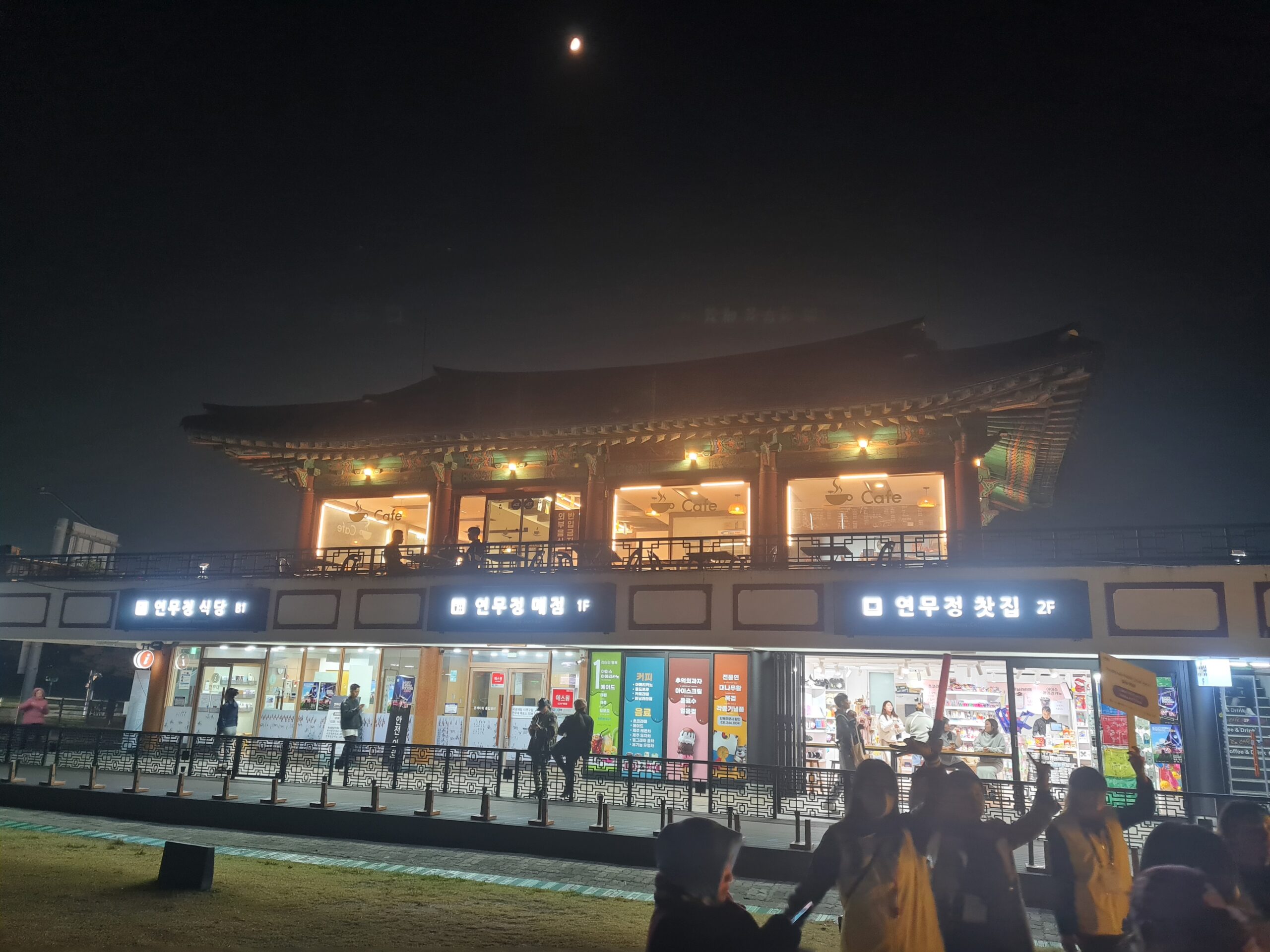
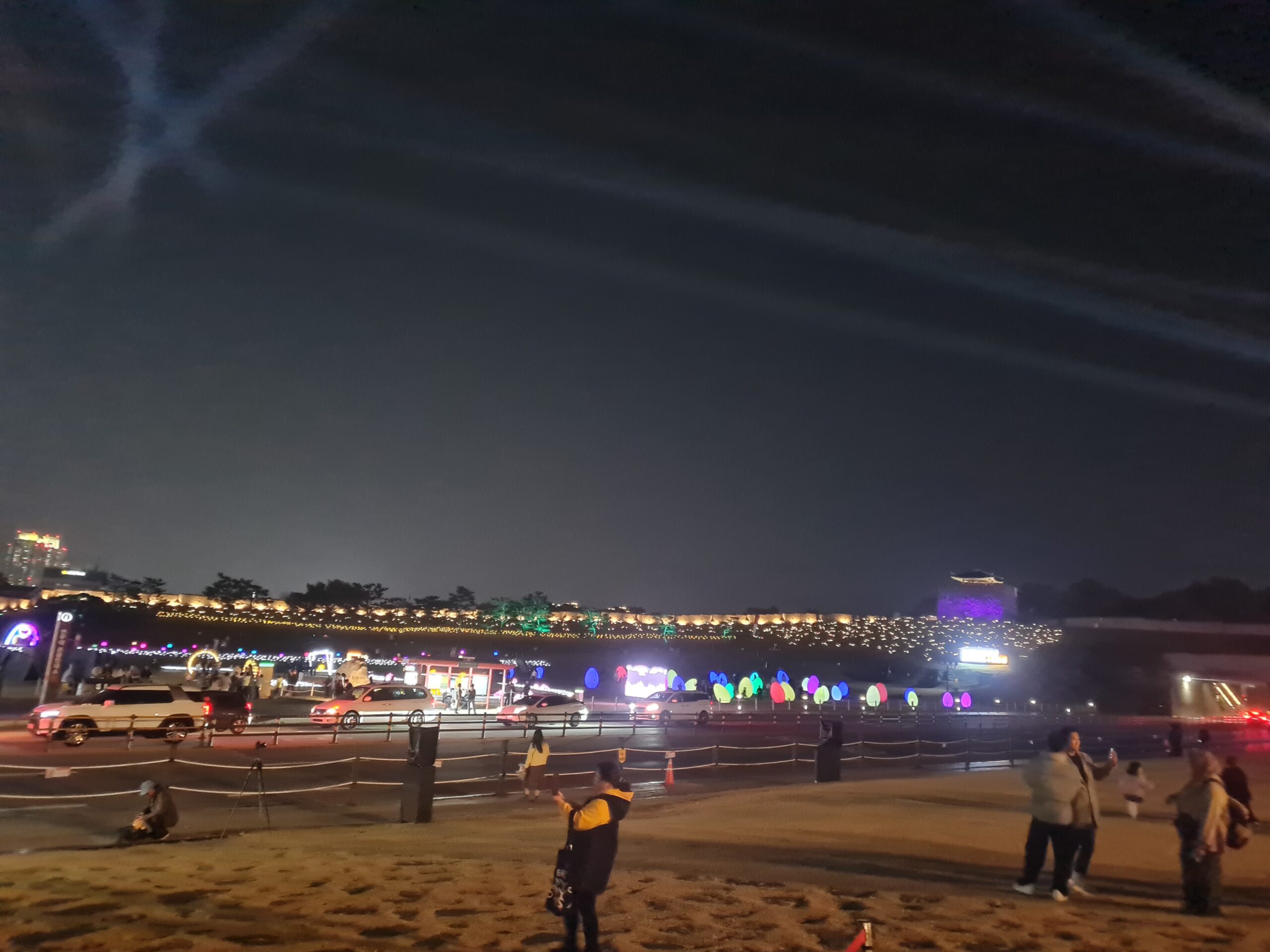
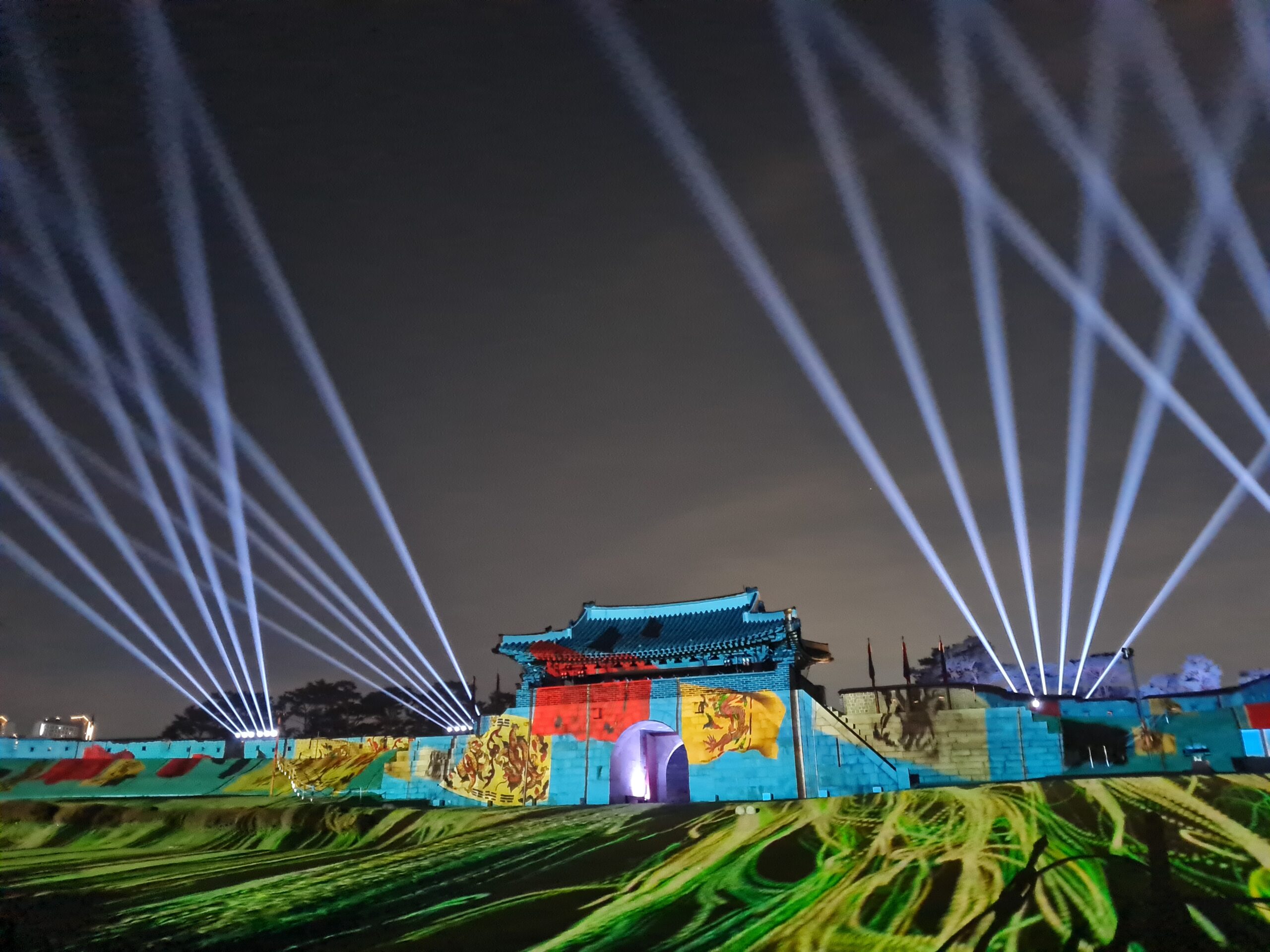
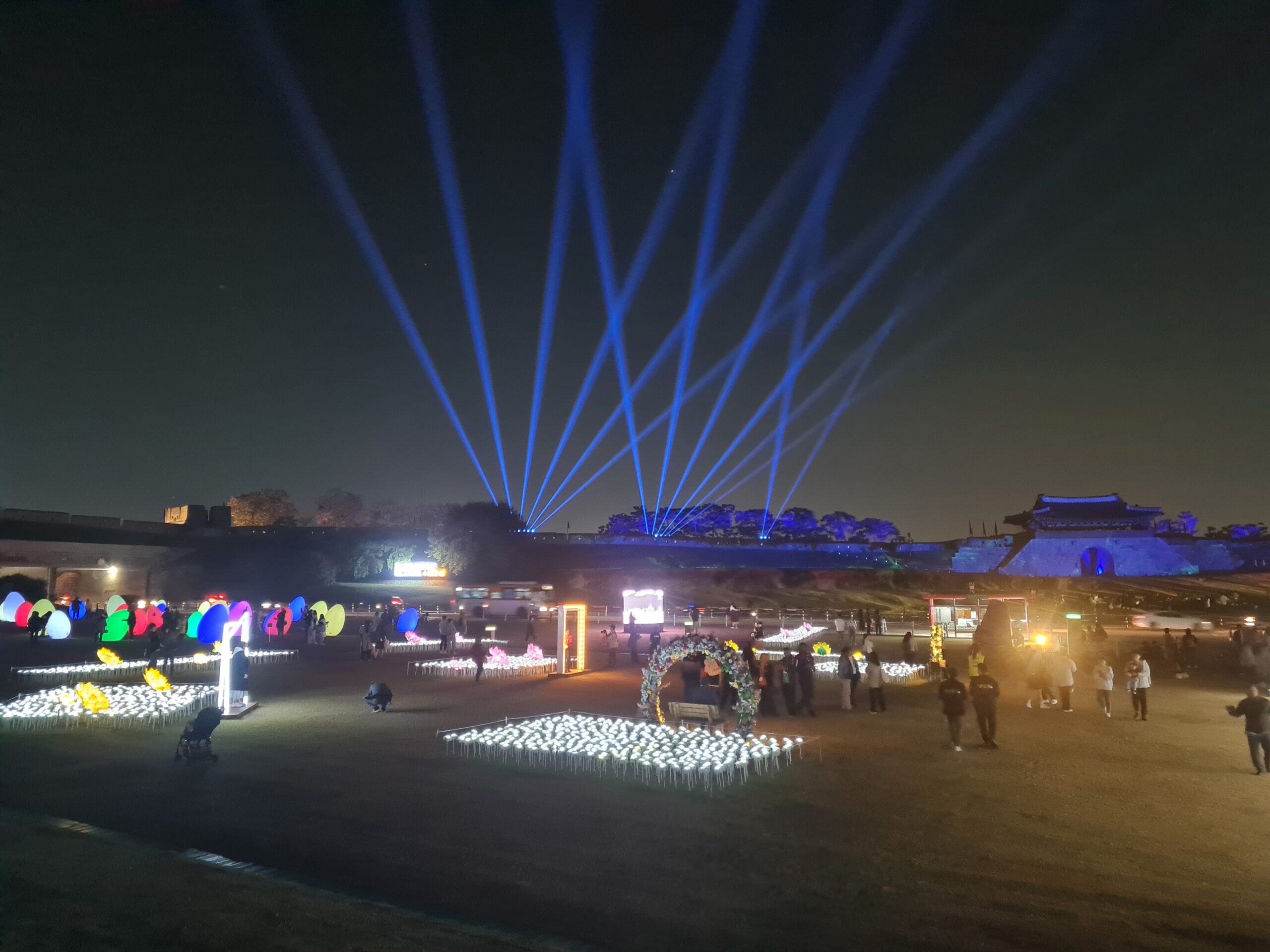
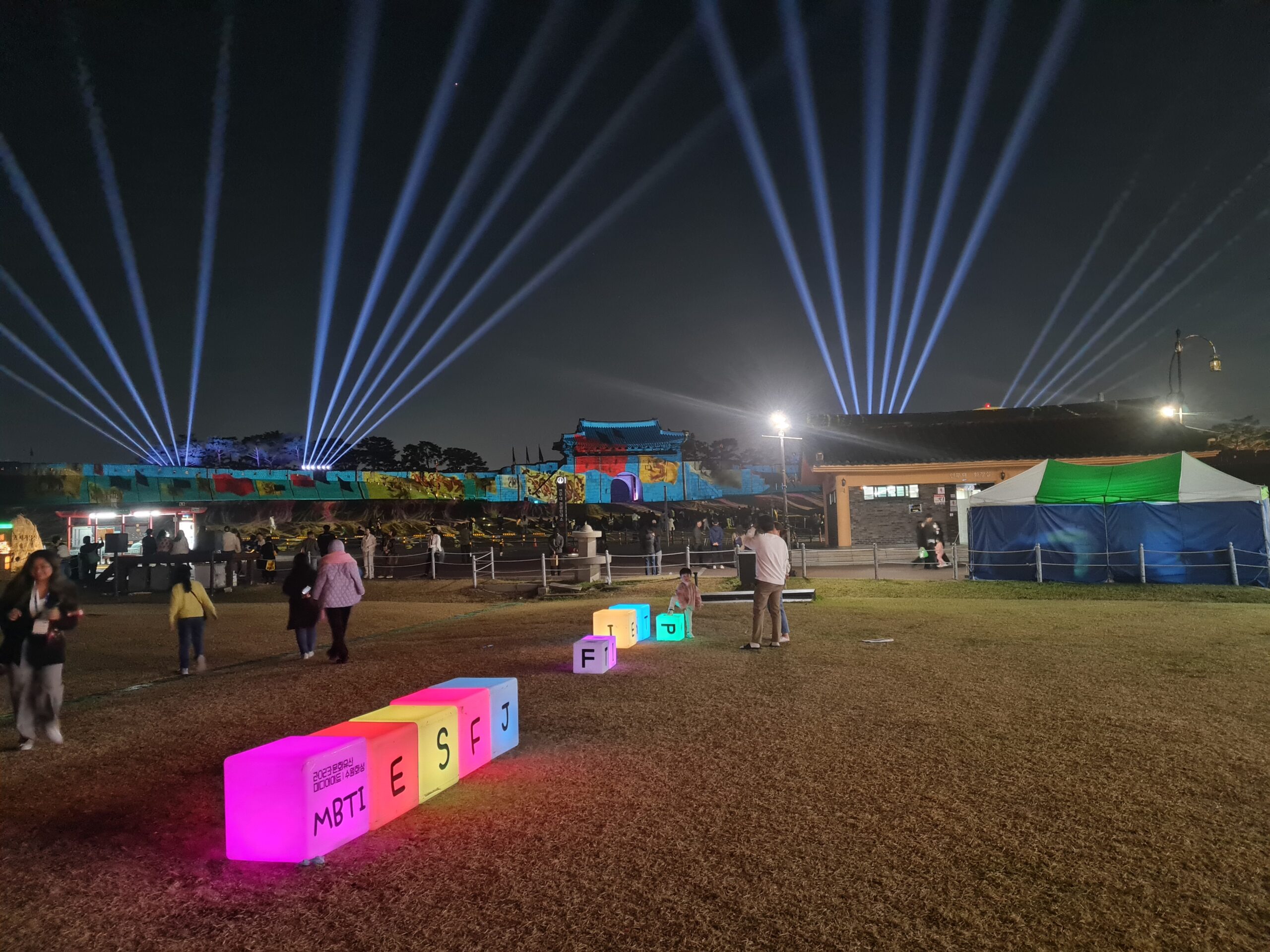
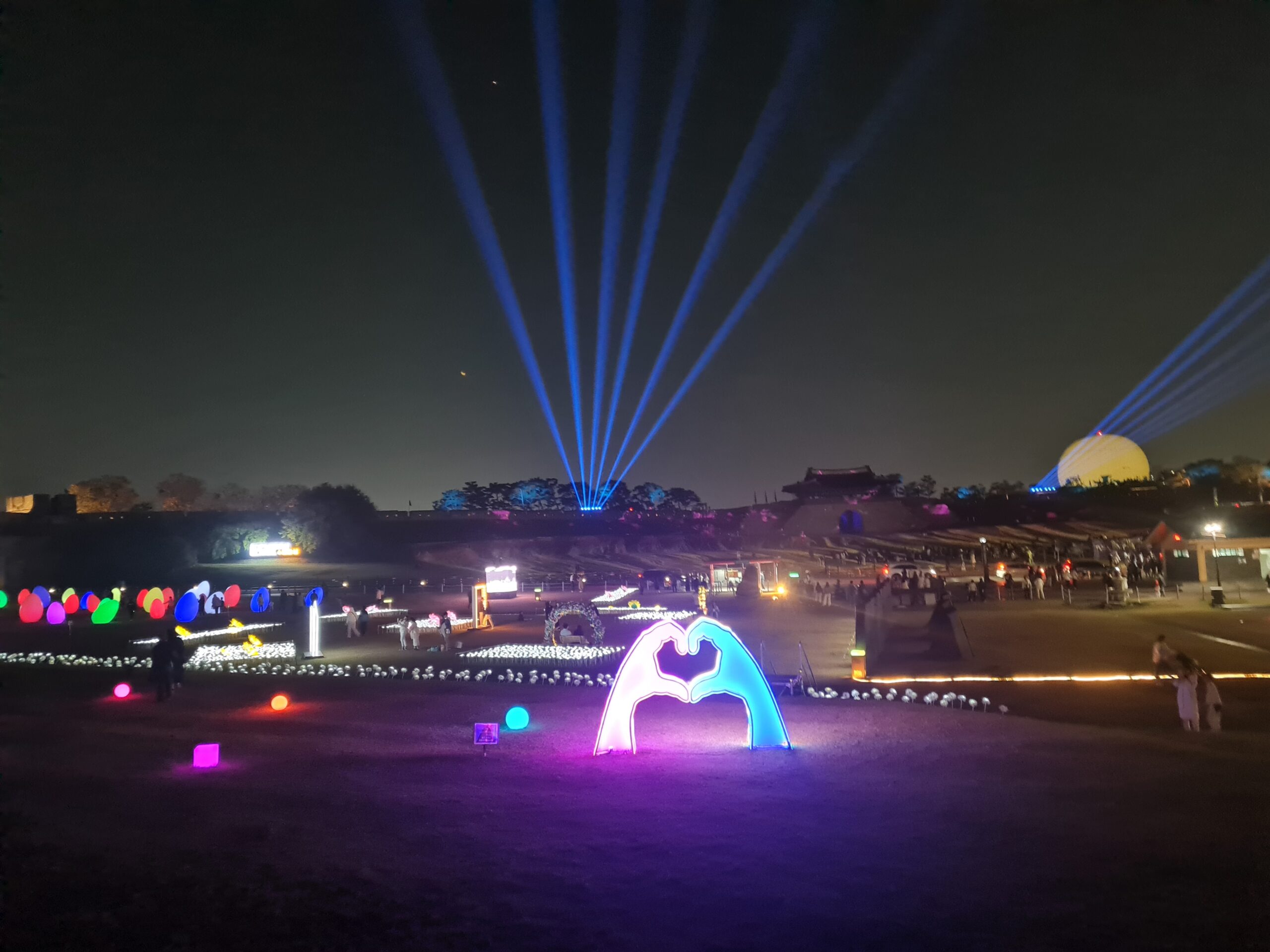
- Night Illumination: Hwaseong is one of the best-lit fortresses in the world. Night photography here yields high-value aesthetic shots that stand out on platforms like Instagram or Shutterstock.
Asset-Light Travel Logistics: Seoul to Suwon
| Factor | The Efficiency Choice |
| Transportation | Subway Line 1 (Cheap but slow) or the KTX/Mugunghwa-ho from Seoul Station (30 mins, high speed, high comfort). |
| Gear | Keep it light. A mirrorless camera and one wide-angle lens (16-35mm) is all you need for the vast walls. |
| Entry Fee | Minimal (approx. 1,500 KRW). It’s an incredibly low-cost, high-value cultural asset. |
| Best App | Naver Maps. Don’t rely on Google Maps in Korea; it’s an “asset-heavy” mistake that leads to lost time. |
Why Hwaseong Matters to the Revolution
The “Asset-Light Revolution” is about freedom. It’s about not being tied down by unnecessary weight—whether that’s physical debt, excessive inventory, or outdated ways of thinking.
King Jeongjo built Hwaseong to honor his father, but he did it by breaking the mold of traditional Korean architecture. He invited philosophers, scientists, and engineers to collaborate. He proved that a great legacy isn’t built on how much you own, but on how effectively you organize your resources.
When you walk these walls, you aren’t just a tourist. You are an observer of an early “efficiency movement.”
Hwaseong Fortress Media Art Show
The site visit was part of APUF-8’s program for international participants.
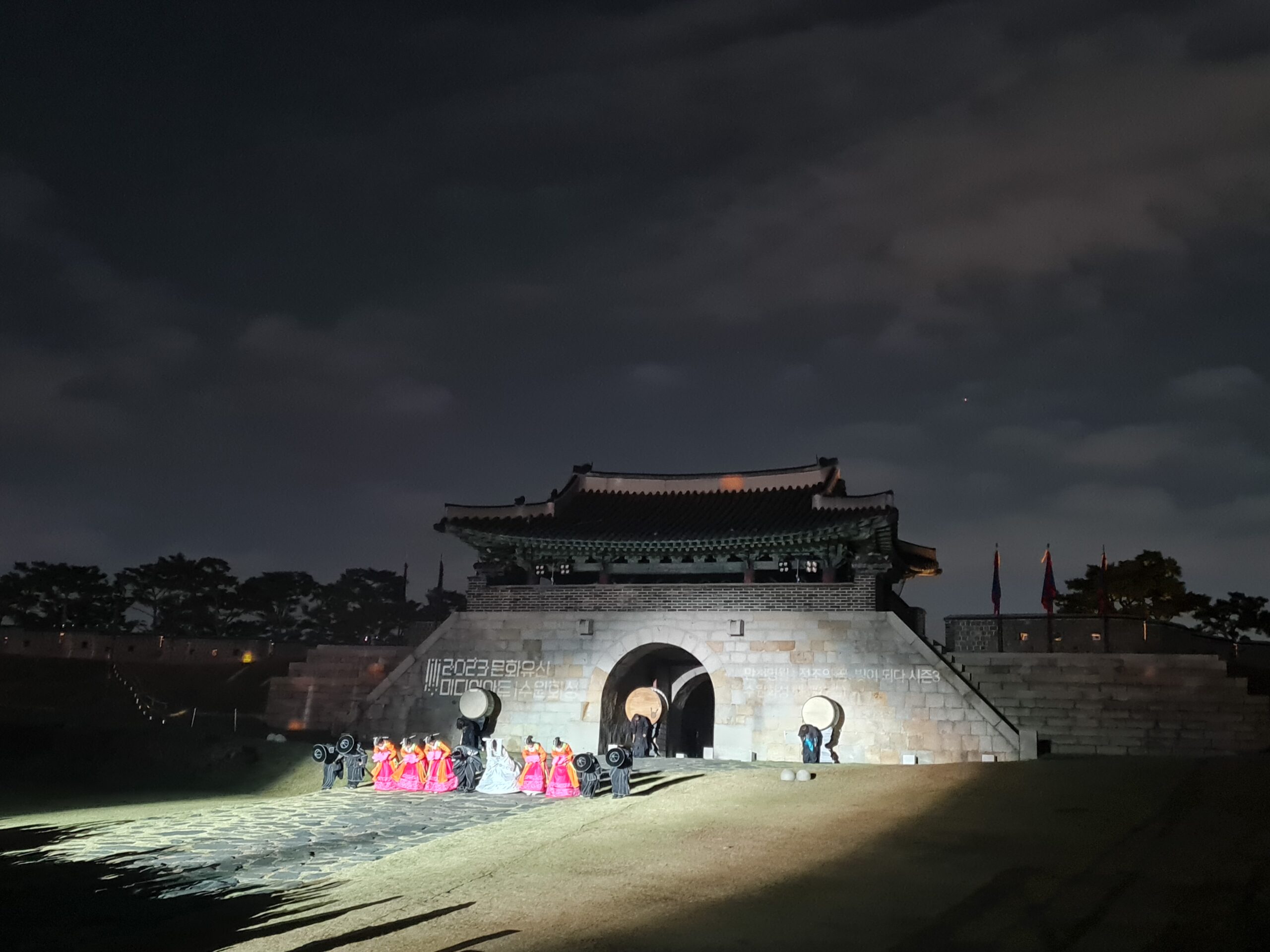
Media Art Show represents the “Reformed City of Suwon Hwaseong Fortress” that King Jeongjo dreamed of through colorful lights. The innovative story of Suwon Hwaseong Fortress designed by King Jeongjo for his filial piety and love for people has been demonstrated in chronological order of how it was created.
It was a great opening by the performers.



Hwaseong Fortress Light Art
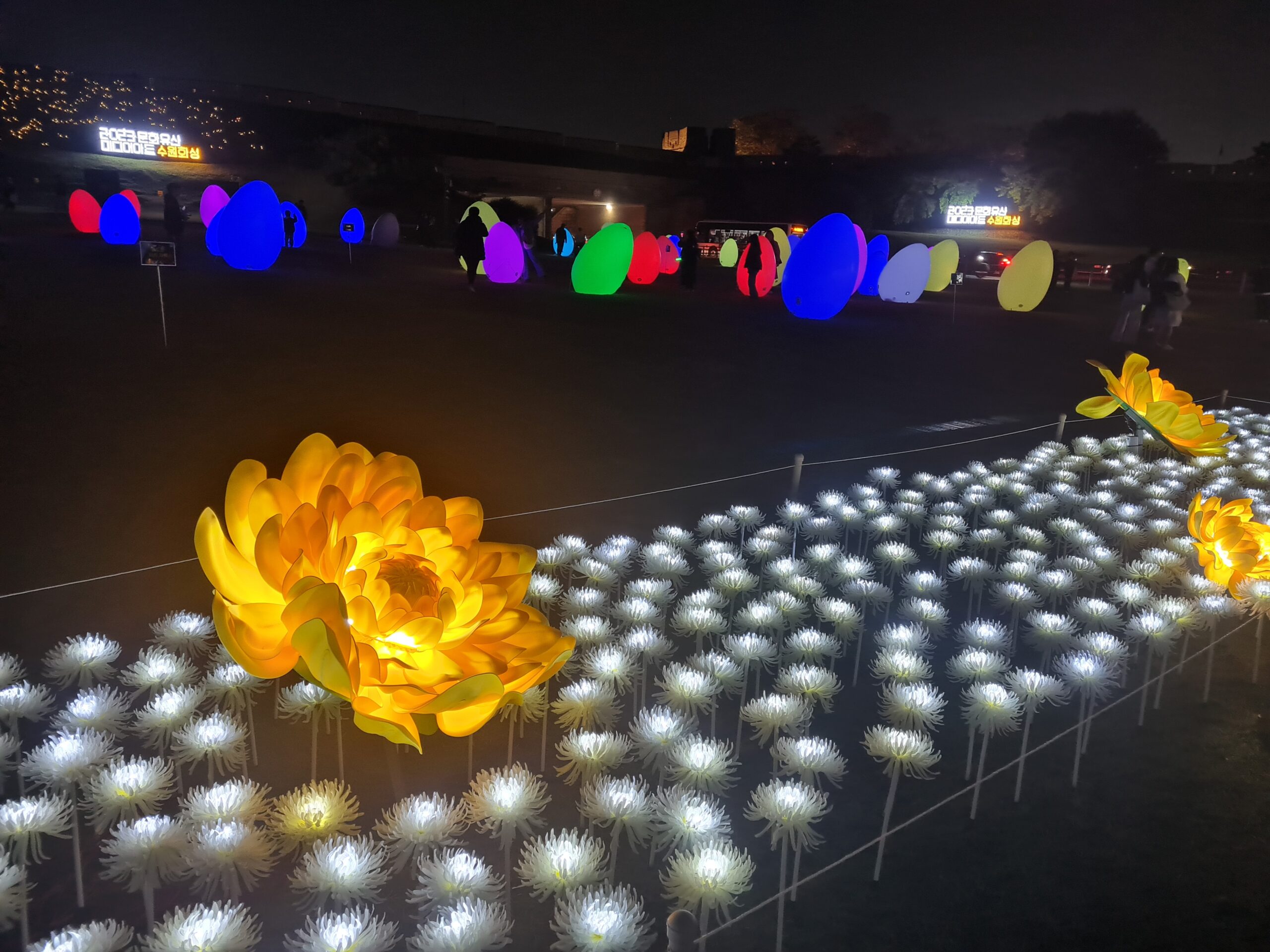
The light art was just across the road where the media art show was being presented.




Hwaseong Fortress
Hwaseong Fortress is a piled-stone and brick fortress of the Joseon Dynasty that surrounds the center of Suwon City, in Gyeonggi-do Province. Hwaseong fortress and enclosed palace were designated as a World Heritage site by UNESCO in 1997.
The massive walls, extending for nearly 6 km are pierced by four gates and equipped with bastions, artillery towers, and other features.


Conclusion: The Suwon Strategy
Hwaseong Fortress is the perfect day trip for the modern entrepreneur. It offers a physical workout, a historical education, and a content creation opportunity all in one. It represents everything we stand for at howtze.com:
- Maximum Experience.
- Minimum Friction.
- Infinite Inspiration.
If you find yourself in Seoul, take the “Fast Train” to Suwon. Walk the West Wall at sunset, grab a coffee at a Hanok cafe, and see how the principles of 18th-century design can inspire your 21st-century digital life.